
Subtotal ₹0.00
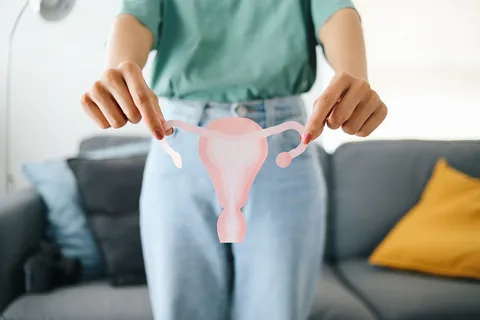
Reproductive health in women is one of the crucial and misconceived aspects of general well-being. There are many changes in women bodies during the life, and sometimes it may be hard to define what is normal and what can be regarded as an indication of a problem. It is important to know these differences to stay healthy and to seek medical attention when necessary.
Understanding What’s Normal
The female reproductive system is a system that undergoes natural variability as a result of hormonal variation particularly in the periods of puberty, menstrual cycle, pregnancy, and menopause. Normal cycle will typically take between 21-35 days, bleeding takes 2-7 days. There should be some deviation and not all irregularities are necessarily something to worry about.
Another natural phenomenon is vaginal discharge. It assists in maintaining hygiene of the vagina and in avoiding infections. Normal discharge is typically clear or milky white, and does not have a strong odor. It can vary in consistency at various times of the menstrual cycle.
A little lower abdominal pain or discomfort can also be caused by ovulation and the pain is usually harmless and temporary.
What Isn’t Normal?
Although most symptoms are normal when it comes to normal reproductive functioning, some signs are not to be overlooked. Abnormal periods, including those that are less than 21 days or longer than 35 days or missed periods with no pregnancy can be a result of hormonal disorders, stress or other underlying diseases like Polycystic Ovary Syndrome (PCOS).
Another red flag is heavy menstrual bleeding (menorrhagia), during which one has to change pads or tampons every hour or large clots. This can be attributed to fibroids, hormonal irregularities or other uterine problems.
Extreme pain in the pelvis which is not related to menstruation is not normal and can be linked with some serious diseases such as Endometriosis or pelvic inflammatory disease (PID).
Hormonal Imbalances and Their Impact
The hormones are important in the regulation of the reproductive system. Progesterone and estrogen are hormones that when not balanced, may cause acne, excessive growth of hair, mood swings, and weight gain, and irregular periods. Other disorders which affect reproductive health also should not be ignored like Thyroid Disorders.
Fertility Concerns
Inability to conceive after a year of regular, unprotected sex (or half a year in women older than 35) is a possible sign of fertility problems. These may be due to ovulation issues, obstruction of fallopian tubes or other conditions such as PCOS and endometriosis. The interventions in early assessment and medical aid can prove helpful.
When to See a Doctor?
You should seek medical attention in case of persistent or severe symptoms. Warning signs include:
- Extremely painful periods that interfere with daily life
- Bleeding between periods or after intercourse
- Missed periods for several months without pregnancy
- Unusual discharge with itching, burning, or odor
- Chronic pelvic or lower abdominal pain
Frequent gynecological check-ups, Pap tests and pelvic tests, are important in early detection of complications like cervical cancer.
Maintaining Reproductive Health
A healthy lifestyle can positively affect the reproductive health. The right diet, exercise, stress management and safe sex are all good measures. Good hygiene and knowledge of normal patterns of your body can make you notice any changes in time.
Understanding what is normal and what isn’t in female reproductive health empowers women to take control of their well-being. While some changes are a natural part of life, others may signal underlying conditions that require attention. Listening to your body, staying informed, and seeking timely medical advice can make a significant difference in maintaining long-term reproductive health.
Comments are closed