
Subtotal ₹0.00
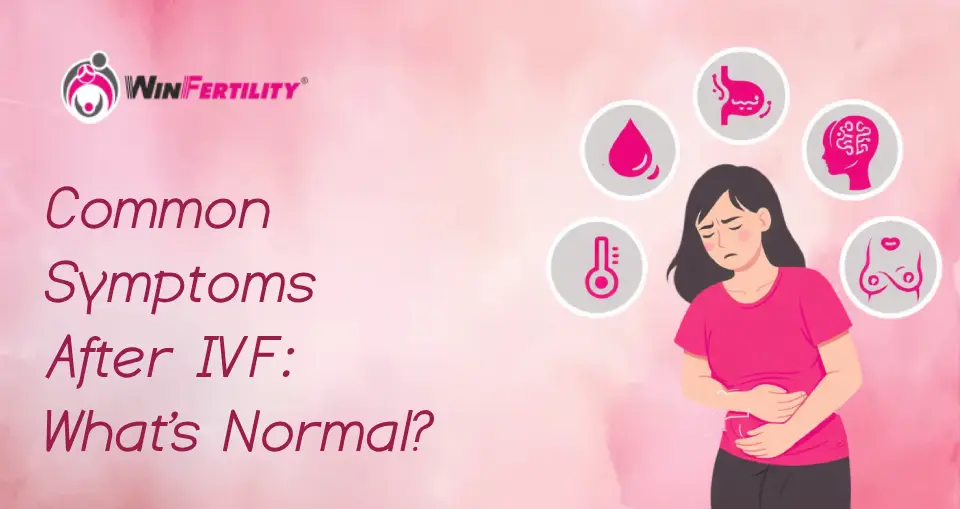
IVF is an emotional and physical process. Following the embryo transfer, most individuals are sensitive to observing their bodies, whether every slight change is normal or something to be concerned about. Although it is normal to experience nervousness at this stage, the knowledge of the usual symptoms after IVF will make the process less stressful and offer some hope.
Hormonal medications cause some of the symptoms, whereas others might be associated with changes in the process of implantation or early pregnancy.
Mild Cramping
One of the most frequent symptoms following the IVF is light abdominal cramping. It can be such as period cramps and can be mild in nature. This may happen due to hormonal alteration, the embryo transfer process, or implantation. Nonetheless, a doctor should be consulted in case of acute or chronic pain.
Spotting or Light Bleeding
Others may also have slight positivity or scant bleeding a few days after the transfer of the embryo. This may be because of implantation, cervical irritation during the procedure, or hormonal changes.
Breast Tenderness
Fertility drugs elevate hormone levels, and that is why the breasts will either be swollen, tender, or painful. This symptom is frequent with or without pregnancy and generally resolves with a stabilization of hormone levels.
Fatigue and Tiredness
Fatigue can be caused by hormonal medications, emotional stress, changes in routine, etc. In case of pregnancy, early hormonal modifications can also add to fatigue.
Bloating and Abdominal Discomfort
Bloating is another common side effect of IVF, especially in the days following egg retrieval and embryo transfer. Stimulation medications may also result in enlarged ovaries, causing abdominal fullness or abdominal pressure. This normally gets better gradually, but acute bloating, sudden weight gain, or dyspnea must be considered urgently.
Mood Swings and Emotional Changes
These mood swings are normal, and many people undergo such mood swings during fertility treatment. It is possible to use the emotional support of loved ones or a counselor during this period.
Nausea or Digestive Changes
Others suffer mild nausea, constipation, or alteration of appetite following IVF. These symptoms could be attributed to progesterone supplements or early pregnancy hormones.
Frequent Urination
A higher need to urinate may arise because of hormonal changes or premature pregnancy. Although common, burning, pain, and fever can also be signs of a urinary tract infection and warrant a visit to the doctor.
Headaches
IVF may result in headaches caused by hormonal changes, stress, or dehydration. It may be helpful to consume enough fluids, take a rest, and have a regular sleep schedule. Continuous or intense headaches are to be addressed by a medical practitioner.
Symptoms That May or May Not Indicate Pregnancy
The symptoms of pregnancy and medication side effects are usually confusing, as one of the most troubling factors in IVF. Such symptoms as breast tenderness, fatigue, mild cramping, and nausea may appear regardless of whether or not implantation has occurred. Pregnancy can only be determined with certainty by using a blood test at the stipulated time.
When to Contact a Doctor
However, while most symptoms after IVF are normal, some symptoms are ineradicable. Consult a gynecologist if you experience severe abdominal pain, heavy bleeding, drowsiness, difficulty breathing, or sudden swelling. These could indicate problems that require your immediate attention.
Even the symptoms that one experiences after the IVF can be positive as well as disheartening. It is essential to bear in mind that all experiences with IVF are different, and symptoms may or may not tell you the result. With medical advice, physical and emotional care, and a positive attitude, this stage can be easier.
Patience and self-care are paramount during this period, and there is always someone available to help when needed.
Comments are closed