
Subtotal ₹0.00
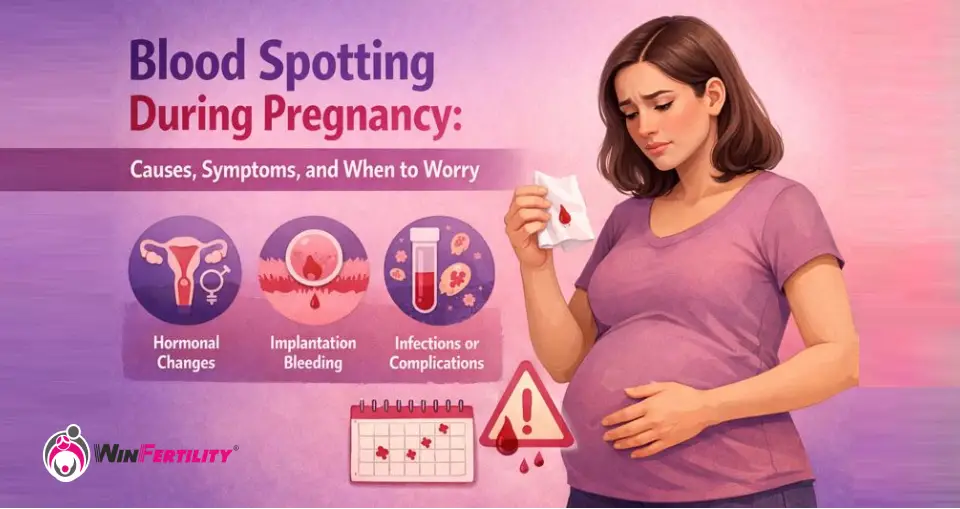
Blood spotting during pregnancy is a worrisome event for any pregnant woman. Although expectancy has long been attributed to happiness and excitement, unanticipated acts such as spotting might trigger concerns and anxiety. The positive aspect is that blood spotting in pregnant women is quite usual, and in most instances, it is quite normal.
However, knowing when it is benign and when it requires addressing by a doctor is vital for the health of both the mother and the baby.
What Is Blood Spotting During Pregnancy?
Blood spotting is referred to as the light bleeding that occurs in the form of small drops or streaks of blood and is typically pink, red, or brown. It tends not to be as heavy as a period and does not include heavy flow and clots. The development of spotting can happen during pregnancy, particularly in the first trimester.
Common Causes of Spotting in Early Pregnancy
1. Implantation Bleeding
Implantation bleeding is thought to be one of the most common reasons for bleeding in the first trimester of pregnancy. This occurs when the zygote attaches to the uterine wall, or 6 to 12 days after the egg is fertilized. The implant bleeding isn’t really heavy; it’s a short process, and it can be pink or brown.
2. Hormonal Changes
The body undergoes tremendous hormonal changes during pregnancy. The cervix becomes more sensitive and can easily bleed a little, particularly after some physical exertion or during a pelvic check-up.
3. Cervical Sensitivity
Additional blood flow to the cervix during pregnancy may result in a slight spotting following sexual intercourse, vaginal check-ups, or even demanding activities. This kind of spotting is not harmful in most cases.
4. Subchorionic Hemorrhage
This occurs when blood builds up between the uterine wall and the placenta. Though it may sound alarming, lots of women with subchorionic hemorrhage proceed to have a normal pregnancy, particularly in the case of mild bleeding.
Spotting in the Second and Third Trimesters
Although spotting is more frequent during pregnancy, it can also take place later. Possible causes include:
- Irritation or inflammation of the cervix
- Vaginal infections
- Placenta-related diseases, such as placenta previa
- Third-trimester labor indicators
A healthcare professional should consider any bleeding during the second or third trimester to eliminate critical complications.
When Is Spotting Considered Normal?
Spotting can be viewed as normal provided that it:
- Is light and short-lived
- Painless
- less cramping
- Is not bright red, but pink or brown
- Stops on its own
Most women who spot still proceed to have a healthy and full-term pregnancy.
When Should You Be Concerned?
Although the spotting is normal, certain symptoms must not be ignored.
Contact your doctor, if you have:
- Period-like bloody diarrhoea.
- Pain in the stomach or cramping.
- Dizziness or fainting
- Bright red blood with clots.
- Fever or chills
Such signs can indicate miscarriage, ectopic pregnancy, placental abnormalities, or infection and may require emergency intervention.
What Should You Do If You Experience Spotting?
If you notice spotting while pregnant:
- Relax and try not to panic
- Note the color, volume, and duration of the bleeding
- Do not engage in heavy activities and sexual intercourse until approved
- Consult your doctor even for mild spotting
Blood spotting in pregnancy may cause alarm, but the problem is not always serious. Some of the women have light spotting, and proceed to have healthy pregnancies. The most important thing is to be aware of everything, keep track of your symptoms and consult a doctor whenever you are not sure.
Every pregnancy is unique, so trusting your instincts and maintaining open communication with your healthcare provider is the best way to ensure a safe and healthy journey for you and your baby.
Comments are closed